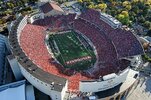
Prime Time. Prime Time.
It's a new era for Colorado football. Consider signing up for a club membership! For $20/year, you can get access to all the special features at Allbuffs, including club member only forums, dark mode, avatars, and best of all, no ads!
But seriously, please sign up so that we can pay the bills. No one earns money here, and we can use your $20 to keep this hellhole running. You can sign up for a club membership by navigating to your account in the upper right and clicking on "Account Upgrades". Make it happen!
After multiple requests and discussion, Twitter/X links will again be allowed on the board. Be mindful of the content you choose to post. Inflammatory, misinformation, or any content that violates the ToS will be removed. Repeated offenses may result in temporary suspensions. If you would like to still have Twitter/X links hidden from your feed, send a PM to Bread. Any other questions can be discussed in the customer service/support forum.
Examples of hide tweet options shown here: https://allbuffs.com/threads/twitter-x-ban.161161/post-3915936
TNT, Amazon, Tubi, all the others would buy into this league if they can get their crap together.
How about 20 Teams, and have TWO x 10-Teams the divisions are created each year by taking the previous years finishing orders in an even-odd format to fill in the divisions, and then you play everyone in your division (9 games) and then the true winners of each division play in the CCG
TNT, Amazon, Tubi, all the others would buy into this league if they can get their crap together.
How about 20 Teams, and have TWO x 10-Teams the divisions are created each year by taking the previous years finishing orders in an even-odd format to fill in the divisions, and then you play everyone in your division (9 games) and then the true winners of each division play in the CCG
Alabaster. I’d compromise. This is a solid 16 team conference and would be a great play to stabilize CFB at 3 major conferences. Substitute a school here or there, but keep the low value schools out View attachment 79327
I'd love to be wrong, but there's little reason for any conference to take UVA and VT. Tech's best shot at a Power Conference invite is if Virginia goes B1G and either the XII or SEC decide they don't want to fully concede the state.
I'd love to be wrong, but there's little reason for any conference to take UVA and VT. Tech's best shot at a Power Conference invite is if Virginia goes B1G and either the XII or SEC decide they don't want to fully concede the state.
TV has already herded most of the high ratings generating properties into the conferences they control. They are not interested in a third super conference. Whats left out there is the B group of so-so ratings teams which CU with Prime is probably near the top of. Without Prime?
I'd love to be wrong, but there's little reason for any conference to take UVA and VT. Tech's best shot at a Power Conference invite is if Virginia goes B1G and either the XII or SEC decide they don't want to fully concede the state.
I think both these schools will be in fairly high demand if and when the ACC falls apart. UVA for their academics and the B1G would love to have yet another mediocre football program. Meanwhile VT seems pretty invested in athletics and has a very good football fan base.
TV has already herded most of the high ratings generating properties into the conferences they control. They are not interested in a third super conference. Whats left out there is the B group of so-so ratings teams which CU with Prime is probably near the top of. Without Prime?
CU with Prime in the group of so-so ratings teams? That is ridiculous. CU is and will continue to be a top 5 ratings team with Prime. Without? We'll see. If Prime sticks around for 5 or 6 years and we hire the right replacement, there is no reason we can't be a top 20 draw after Prime. We were during the McCartney and Neuheisel years.
The wild card is streaming and Turner (TNT/TBS). There is a lot of good inventory with a third conference like that and if FOX/ESPN/CBS/NBC don’t want it, there are other outlets that will
Fox is already realizing that it needs more than what the B1g can offer. The big noon fiasco this year isn't going to be solved by Illinois Wisconsin et al
Fox is already realizing that it needs more than what the B1g can offer. The big noon fiasco this year isn't going to be solved by Illinois Wisconsin et al
The P12 was worth noting but an ACC merger is worth everything? Not 100% sold although I like the proposed conferences.
Turner is a good shout, especially with them losing the NBA.
As for streaming, it seems like Prime and to a lesser extent Netflix have been stuck in that trial loop for 4-5 years now. They do a few games here, a few games there but I don't think they've made *that* play yet anywhere.
Apple made its move with MLS, but the true wildcard is probably DAZN as they yet have to make their play in the English speaking markets. They're in bed big time with the NFL and are a major player in many European markets but have so far not gotten involved with key rights in the US/UK.
You mean you didn't get excited about watching Ohio State and Purdue all the way to the end?
I still believe that at some point down the road we see an end to the SEC and the B1G allowing them to shed some programs that don't generate the TV ratings that justify the share of media money they get. At that point the top 30-40 programs form a league that controls the bulk of the TV money.
Other programs that choose to continue with football, which most will, will eventually have to deal with the reality of greatly reduced budgets, and that they are not competing at the "highest level."
The idea that the big programs need the bottom feeders to pad their records will be dispelled. Fans will adapt to lower results but better competition.
The top schools are looking at the NFL model paying players, a race for playoff spots, and a playoff to determine the ultimate champion. The NFL has proven that fans will stay interested without having teams with perfect records and in fact will stay interested in teams that are hovering around .500 if they are still alive for the playoffs.
You mean you didn't get excited about watching Ohio State and Purdue all the way to the end?
I still believe that at some point down the road we see an end to the SEC and the B1G allowing them to shed some programs that don't generate the TV ratings that justify the share of media money they get. At that point the top 30-40 programs form a league that controls the bulk of the TV money.
Other programs that choose to continue with football, which most will, will eventually have to deal with the reality of greatly reduced budgets, and that they are not competing at the "highest level."
The idea that the big programs need the bottom feeders to pad their records will be dispelled. Fans will adapt to lower results but better competition.
The top schools are looking at the NFL model paying players, a race for playoff spots, and a playoff to determine the ultimate champion. The NFL has proven that fans will stay interested without having teams with perfect records and in fact will stay interested in teams that are hovering around .500 if they are still alive for the playoffs.
I agree, I always felt that point was overblown during discussions here.
I think I have made my opinion on what I think the endgame is fairly clear over the last 1-2 years and I think it's inevitable that some programs will be thrown off the boat or left behind, presumably as part of some sort of merger or a full breakaway where a handful of schools just go out and do their own thing where they can also draw up the rules as they please. I just think that 30-40 might be too many.
I think that if you go by stadium sizes (dedicated, non-shared facilities), you can get pretty damn close to the list of schools with the commitment, resources and fan base to build your top tier football division. I'm only listing schools which are or were in the ACC, Big 12, Big Ten, Pac-12 and SEC, plus Notre Dame.
1. Michigan (107,600)
2. Penn State (106,562)
3. Ohio State (102, 780)
4. Texas A&M (102,733)
5. LSU (102,321)
6. Tennessee (101,915)
7. Texas (100,119)
8. Alabama (100,077)
9. Georgia (93,033)
10. UCLA (92,542)
11. Nebraska (90,000)
12. Florida (88,548)
13. Auburn (88,043)
14. Clemson (81,500)
15. Oklahoma (80,126)
16. Florida State (79,560)
17. Notre Dame (77,622)
18. South Carolina (77,599)
19. USC (77,500)
20. Arkansas (76,212)
21. Wisconsin (75,822)
22. Michigan State (75,005)
23. Iowa (70,585)
24. Washington (70,083)
25. Pitt (68,400) - shared with Steelers
26. Virginia Tech (65,632)
27. Miami (64,767) - shared with Dolphins
28. Ole Miss (64,038)
29. BYU (63,470)
30. Cal (62,467)
31. Missouri (61,620)
32. Iowa State (61,500)
33. Virginia (61,500)
34. Purdue (61,441)
35. Mississippi State (61,337)
36. Kentucky (61,306)
37. Louisville (60,800)
38. Illinois (60,670)
39. Texas Tech (60,229)
40. West Virginia (60,000)
41. NC State (58,000)
42. Arizona State (56,634)
43. Oklahoma State (55,509)
44. Georgia Tech (55,000)
45. Oregon (54,000)
46. Indiana (52,626)
47. Rutgers (52,454)
48. Maryland (51,802)
49. Utah (51,444)
50. Minnesota (50,805)
51. North Carolina (50,500)
52. Colorado (50,183)
53. Kansas State (50,000)
54. Stanford (50,000)
55. Syracuse (49,057)
56. Baylor (45,140)
57. TCU (45,000)
58. Boston College (44,500)
59. UCF (44,206)
60. Kansas (40,000) - estimate after renovation
61. Vanderbilt (39,790)
62. Cincinnati (38,088)
63. Oregon State (35,548)
64. Northwestern (35,000)
65. Washington State (32,952)
66. SMU (32,000)
67. Wake Forest (31,500)
Not that this is the be all and end all for realignment, but it matters. Assuming only $100 per ticket, every 10k in capacity represents an increase of $1M in base revenue per game. When you figure concessions, parking and the fact that the average ticket price is more than $100, the program revenue differentials quickly get into the tens of millions per year just based on this. CU needs to get Folsom to over 60,000 (I'd like 65k for the optics of having the largest stadium in the Big 12). And, frankly, once you get below 70k (Washington at #24), it's slim pickings of teams that can legitimately compete to win a national championship. And how many of the programs below #24 actually move the needle for viewership? Is 32, like the NFL, the right number? I tend to think that college football is different and the number is probably 48.
when the ACC collapses, this is my best guess at what happens:
ND, GT, UNC, UVA and FSU* go B1G
Pitt, NCSU go SEC
Clemson, VT, Louisville, Miami get XII invites**
SMU, Stanford and Cal buy themselves into the XII
Duke, BC, Syracuse, Wake end up in the Big East or some new conference that doesn't play top level football
* I realize this is a non-AAU school going to the B1G which many think will never happen. I believe the B1G will compromise on that to get a foothold in Florida, possibly placing a requirement on them to work some action plan to get accredited
** I don't believe Clemson has much value to either P2 conference. the SEC is already in the state and the B1G doesn't have strong motivation to go there if they get a presence in Georgia, NC, VA and FL. I also don't believe Miami has much value to the P2 as both would already have an in-state presence and Miami is a small school with really crappy fan support (and will likely be under water, literally, before long).\
this is all guessing, but represents my best educated guess.
Not that this is the be all and end all for realignment, but it matters. Assuming only $100 per ticket, every 10k in capacity represents an increase of $1M in base revenue per game. When you figure concessions, parking and the fact that the average ticket price is more than $100, the program revenue differentials quickly get into the tens of millions per year just based on this. CU needs to get Folsom to over 60,000 (I'd like 65k for the optics of having the largest stadium in the Big 12). And, frankly, once you get below 70k (Washington at #24), it's slim pickings of teams that can legitimately compete to win a national championship. And how many of the programs below #24 actually move the needle for viewership? Is 32, like the NFL, the right number? I tend to think that college football is different and the number is probably 48.
That is harder to quantify. But concessions and merch sales are a reason why you want to ideally do away with season tickets if you know you can sell those seats.
For the most part, premium and luxury seating is difficult to sell if you don't create an incredible atmosphere out of the reasonably priced seats.
CU wants and needs to expand its student section.
CU wants and needs to expand capacity (even if this only means an extra $5-10M per year). Even if the number is mostly a status symbol - Prime has proven that status symbols matter and lead to tangible value.
CU must add premium seating and amenities, including better and more dining and apparel stores in the stadium. There's a lot of revenue to be made.
CU wants and needs to expand capacity (even if this only means an extra $5-10M per year). Even if the number is mostly a status symbol - Prime has proven that status symbols matter and lead to tangible value.
CU must add premium seating and amenities, including better and more dining and apparel stores in the stadium. There's a lot of revenue to be made.
can you say where this is coming from? We're in an era where nearly every stadium renovation I read about is reducing capacity. And, we didn't sell out 2/6 of our games this year. Other than 2023, CU just hasn't ever been that great at selling football tickets. We moved into a conference with fewer marquee opponents and the future non-conf schedules (that we know of right now) have at most one home game that I'd predict to be a big draw. And it looks like the Broncos are going to be interesting again to local football fans for the near future.
I won't argue that big stadiums are a status symbol, but I also think swaths of empty seats are whatever the opposite of status symbol is.
I'm open minded and respect your football knowledge, but I'm not sold yet that there's a case for Folsom expansion.
I think that if you go by stadium sizes (dedicated, non-shared facilities), you can get pretty damn close to the list of schools with the commitment, resources and fan base to build your top tier football division. I'm only listing schools which are or were in the ACC, Big 12, Big Ten, Pac-12 and SEC, plus Notre Dame.
1. Michigan (107,600)
2. Penn State (106,562)
3. Ohio State (102, 780)
4. Texas A&M (102,733)
5. LSU (102,321)
6. Tennessee (101,915)
7. Texas (100,119)
8. Alabama (100,077)
9. Georgia (93,033)
10. UCLA (92,542)
11. Nebraska (90,000)
12. Florida (88,548)
13. Auburn (88,043)
14. Clemson (81,500)
15. Oklahoma (80,126)
16. Florida State (79,560)
17. Notre Dame (77,622)
18. South Carolina (77,599)
19. USC (77,500)
20. Arkansas (76,212)
21. Wisconsin (75,822)
22. Michigan State (75,005)
23. Iowa (70,585)
24. Washington (70,083)
25. Pitt (68,400) - shared with Steelers
26. Virginia Tech (65,632)
27. Miami (64,767) - shared with Dolphins
28. Ole Miss (64,038)
29. BYU (63,470)
30. Cal (62,467)
31. Missouri (61,620)
32. Iowa State (61,500)
33. Virginia (61,500)
34. Purdue (61,441)
35. Mississippi State (61,337)
36. Kentucky (61,306)
37. Louisville (60,800)
38. Illinois (60,670)
39. Texas Tech (60,229)
40. West Virginia (60,000)
41. NC State (58,000)
42. Arizona State (56,634)
43. Oklahoma State (55,509)
44. Georgia Tech (55,000)
45. Oregon (54,000)
46. Indiana (52,626)
47. Rutgers (52,454)
48. Maryland (51,802)
49. Utah (51,444)
50. Minnesota (50,805)
51. North Carolina (50,500)
52. Colorado (50,183)
53. Kansas State (50,000)
54. Stanford (50,000)
55. Syracuse (49,057)
56. Baylor (45,140)
57. TCU (45,000)
58. Boston College (44,500)
59. UCF (44,206)
60. Kansas (40,000) - estimate after renovation
61. Vanderbilt (39,790)
62. Cincinnati (38,088)
63. Oregon State (35,548)
64. Northwestern (35,000)
65. Washington State (32,952)
66. SMU (32,000)
67. Wake Forest (31,500)
Not that this is the be all and end all for realignment, but it matters. Assuming only $100 per ticket, every 10k in capacity represents an increase of $1M in base revenue per game. When you figure concessions, parking and the fact that the average ticket price is more than $100, the program revenue differentials quickly get into the tens of millions per year just based on this. CU needs to get Folsom to over 60,000 (I'd like 65k for the optics of having the largest stadium in the Big 12). And, frankly, once you get below 70k (Washington at #24), it's slim pickings of teams that can legitimately compete to win a national championship. And how many of the programs below #24 actually move the needle for viewership? Is 32, like the NFL, the right number? I tend to think that college football is different and the number is probably 48.
I thought the current trend across sports was to reduce overall capacity and add more luxury seating. I think overall capacity is just a dick measuring contest
can you say where this is coming from? We're in an era where nearly every stadium renovation I read about is reducing capacity. And, we didn't sell out 2/6 of our games this year. Other than 2023, CU just hasn't ever been that great at selling football tickets. We moved into a conference with fewer marquee opponents and the future non-conf schedules (that we know of right now) have at most one home game that I'd predict to be a big draw. And it looks like the Broncos are going to be interesting again to local football fans for the near future.
I won't argue that big stadiums are a status symbol, but I also think swaths of empty seats are whatever the opposite of status symbol is.
I'm open minded and respect your football knowledge, but I'm not sold yet that there's a case for Folsom expansion.
I thought the current trend across sports was to reduce overall capacity and add more luxury seating. I think overall capacity is just a dick measuring contest
So we see programs like Northwestern, Kansas and Stanford reduce stadium capacity.
Meanwhile, programs like Texas and Texas A&M have expanded capacity. Missouri is expanding to 65k.
The question is whether the perception (and likely the reality) is that CU belongs with the first group or the second group when the realignment dust settles.
So we see programs like Northwestern, Kansas and Stanford reduce stadium capacity.
Meanwhile, programs like Texas and Texas A&M have expanded capacity. Missouri is expanding to 65k.
The question is whether the perception (and likely the reality) is that CU belongs with the first group or the second group when the realignment dust settles.
I think cu proved the last two years that they can garner attention without a giant stadium. Can they sustain that without CP? Maybe not, but I don’t think adding 10K seats to Folsom will change that.
If they add seats and **** up the view of the flat irons, that would be an epic fail.
So we see programs like Northwestern, Kansas and Stanford reduce stadium capacity.
Meanwhile, programs like Texas and Texas A&M have expanded capacity. Missouri is expanding to 65k.
The question is whether the perception (and likely the reality) is that CU belongs with the first group or the second group when the realignment dust settles.
I think cu proved the last two years that they can garner attention without a giant stadium. Can they sustain that without CP? Maybe not, but I don’t think adding 10K seats to Folsom will change that.
If they add seats and **** up the view of the flat irons, that would be an epic fail.
All I see is buildings when I look at the west side and nw corner right now. Structurally and with Colorado Ave so close to the south side, I don't think we could add another level that blocks the view of the Flatirons to the southwest even if we wanted to. That's a non-issue imo. I'm thinking more like what Wisconsin did when they expanded in what we could do to the west side.
So we see programs like Northwestern, Kansas and Stanford reduce stadium capacity.
Meanwhile, programs like Texas and Texas A&M have expanded capacity. Missouri is expanding to 65k.
The question is whether the perception (and likely the reality) is that CU belongs with the first group or the second group when the realignment dust settles.
it's not just the Northwesterns and Stanfords reducing capacity -- schools like Alabama, Wisconsin and Tennessee have also reduced capacity in recent years. Penn State is reducing capacity now.
Texas hasn't sold out a game since they expanded 5 years ago. Not one.
Kyle Field expansion was 10 years ago (probably planned and authorized 10 years before that) and A&M only sold out twice this year
I'm talking about being on par with Missouri and Ole Miss, but a step below Nebraska (reducing from 90k to 75k) or Clemson. That positions CU among the top tier of programs, even if we're still in the bottom third of programs that matter. We don't have the billionaire + connection with the dominant sports merch company like Oregon does which allows "elite" while having a small P4 stadium.
This site uses cookies to help personalise content, tailor your experience and to keep you logged in if you register.
By continuing to use this site, you are consenting to our use of cookies.